 Memorate
arithmetic
Memorate Numera
Arithmetic a parent can read back
Thirty-five chapters of arithmetic for the first three school years. The exercises are generated, so there is no deck of them anywhere and they cannot be learnt by heart.
In testing. The app runs and can be used, but it is not on the App Store yet and we are not promising a date.
What Numera does
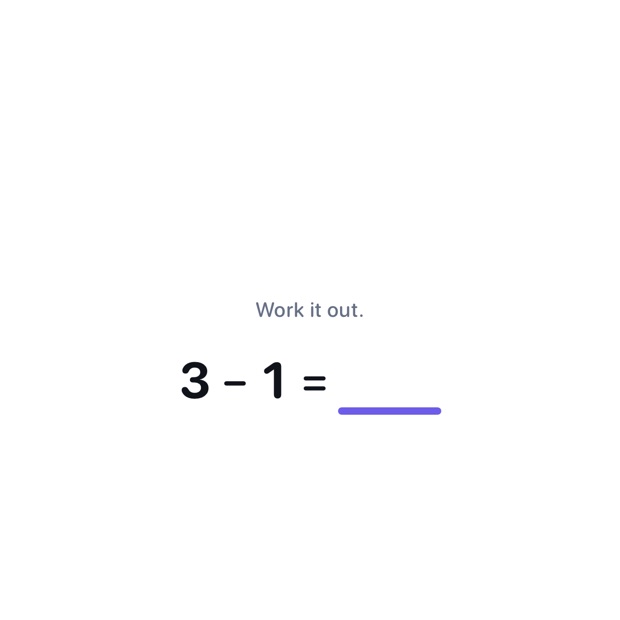
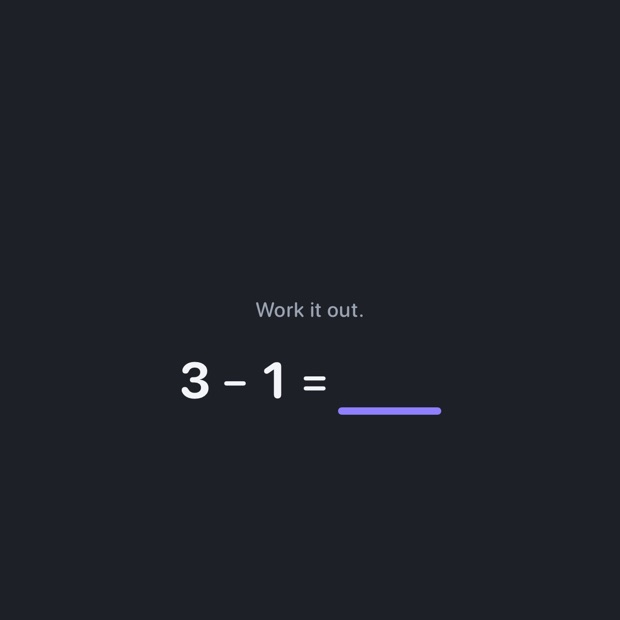
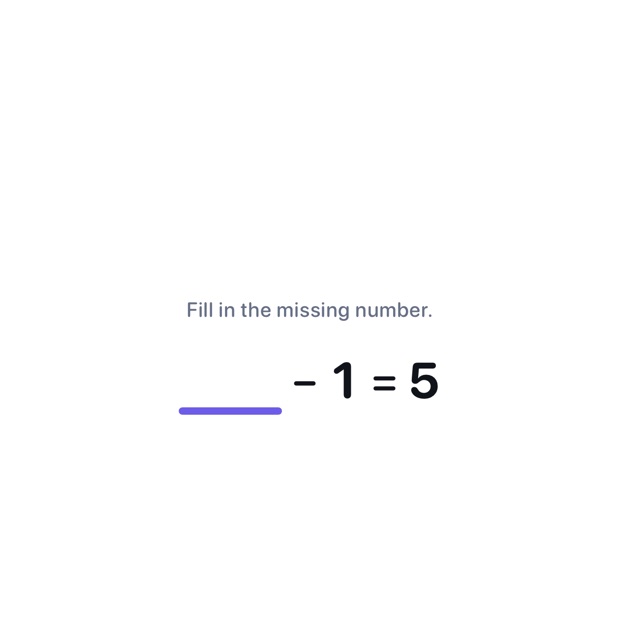
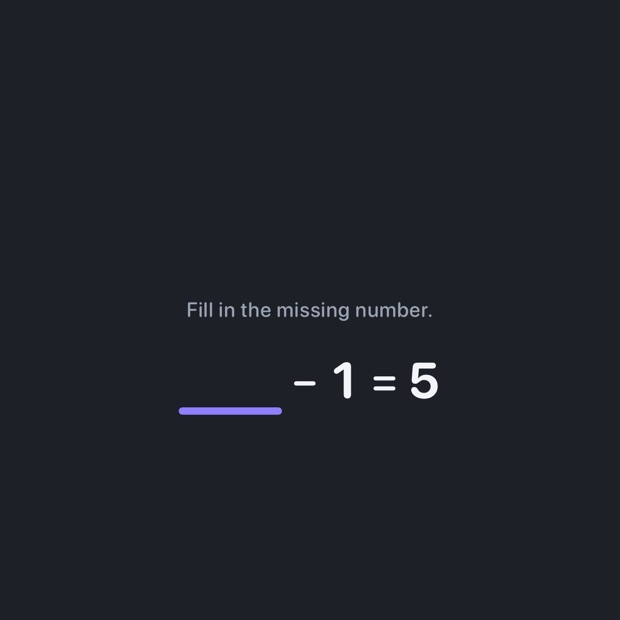
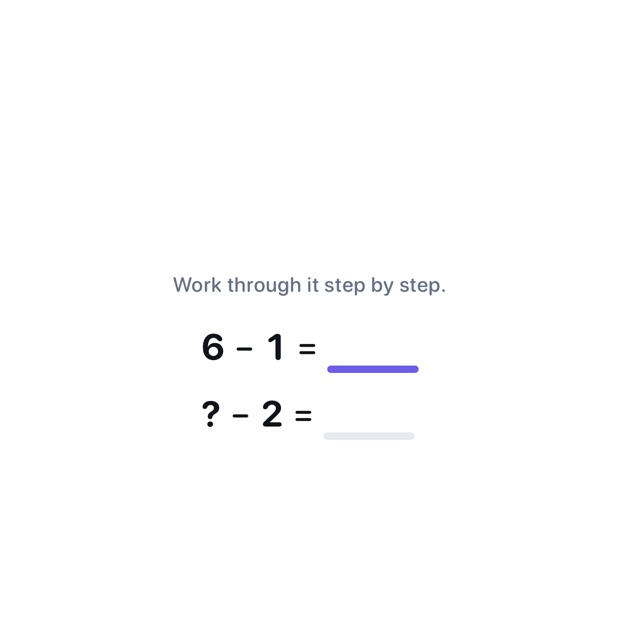
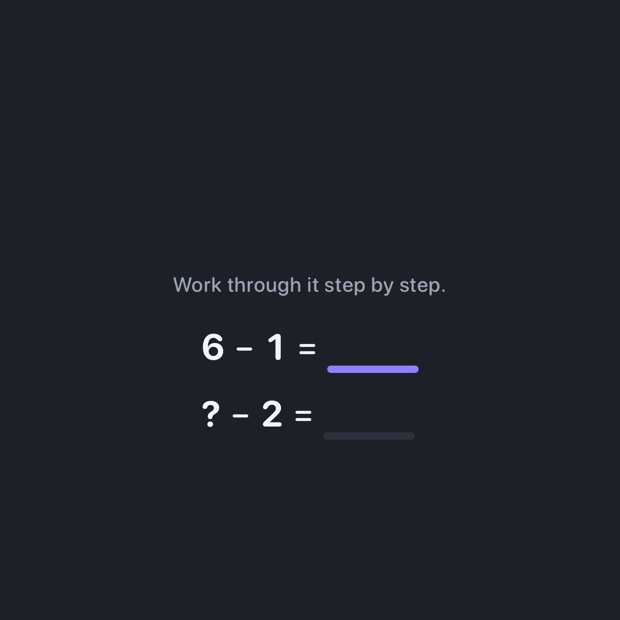
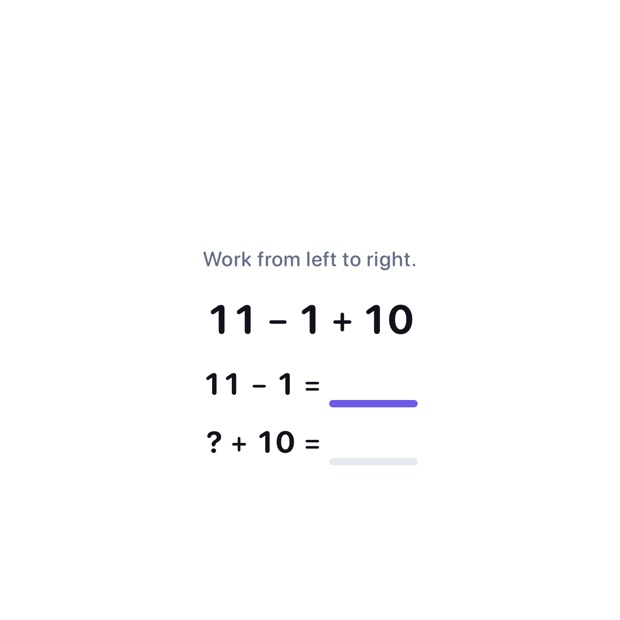
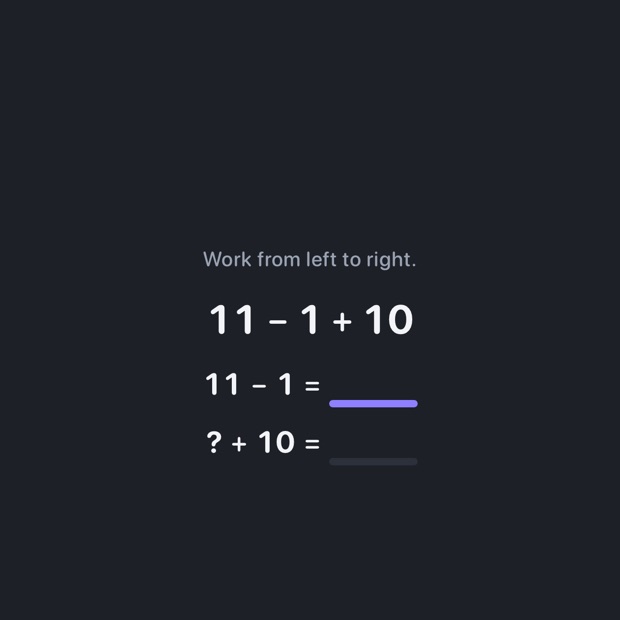
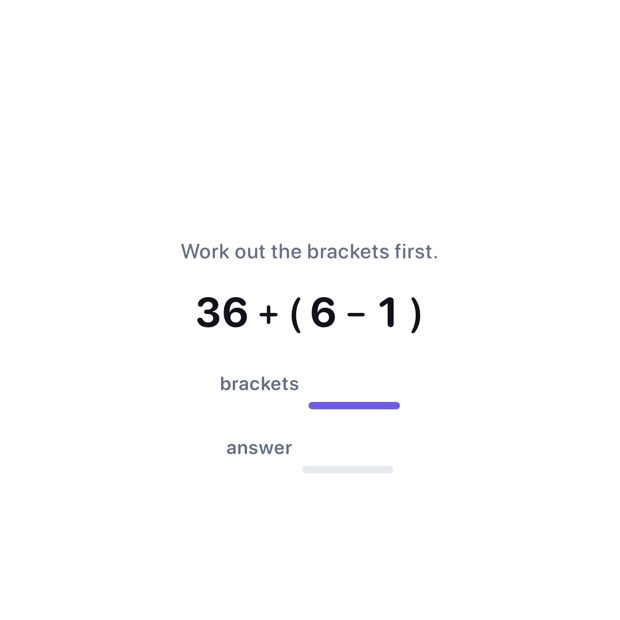
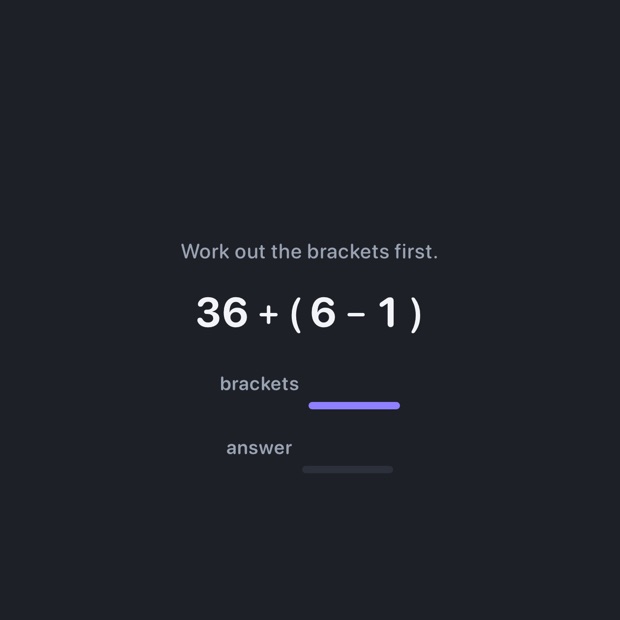
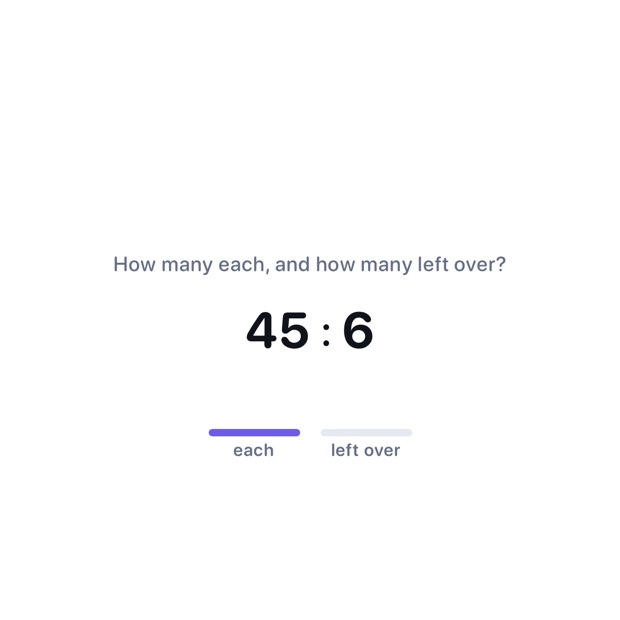
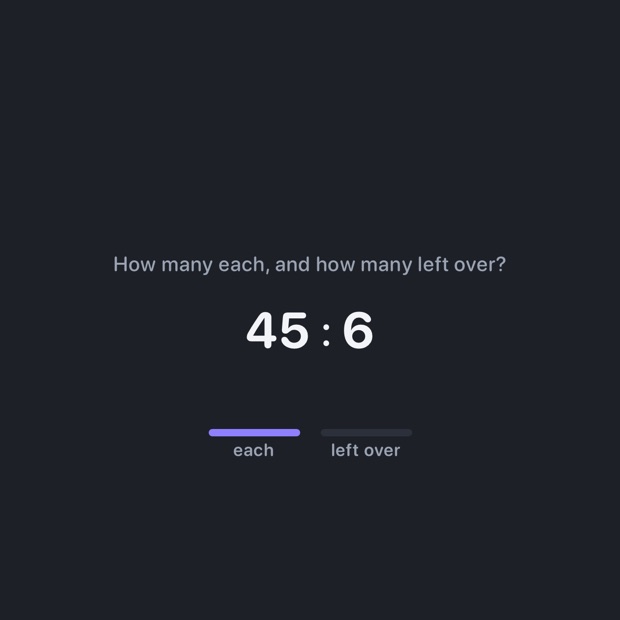
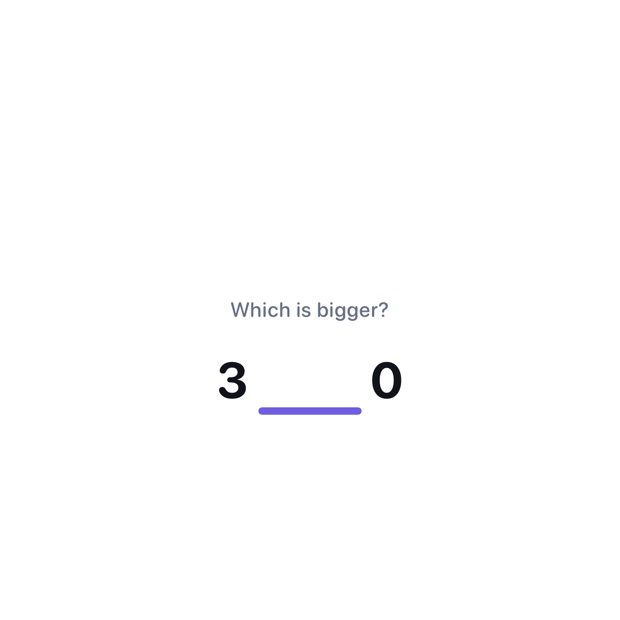
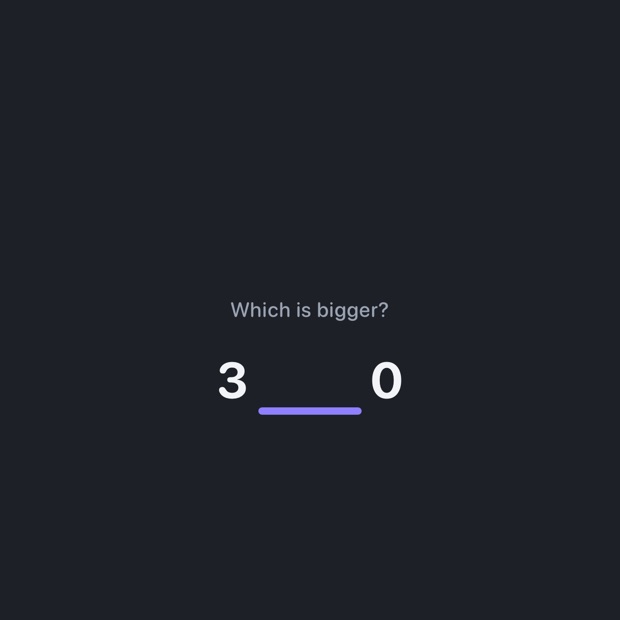
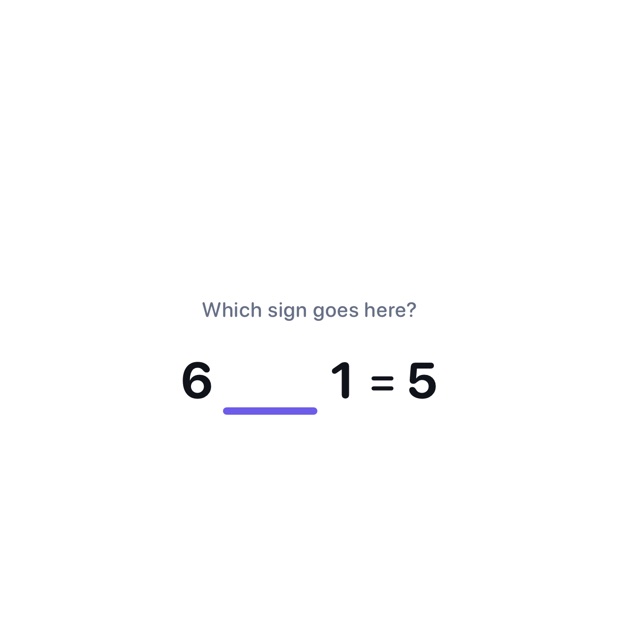
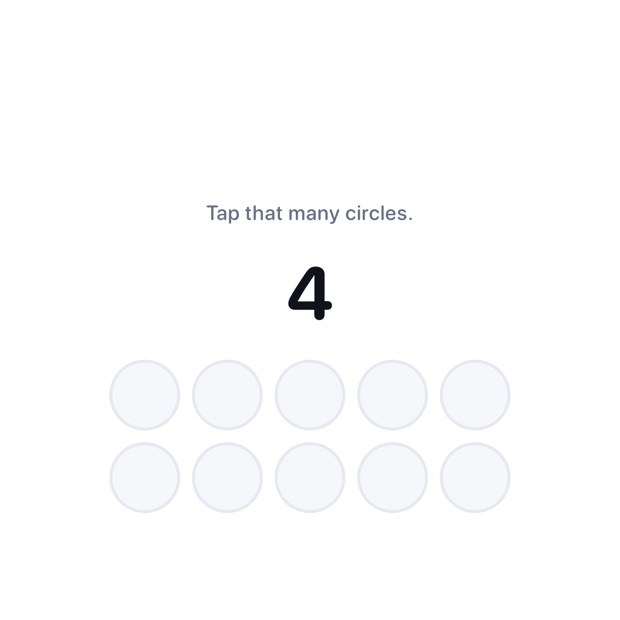
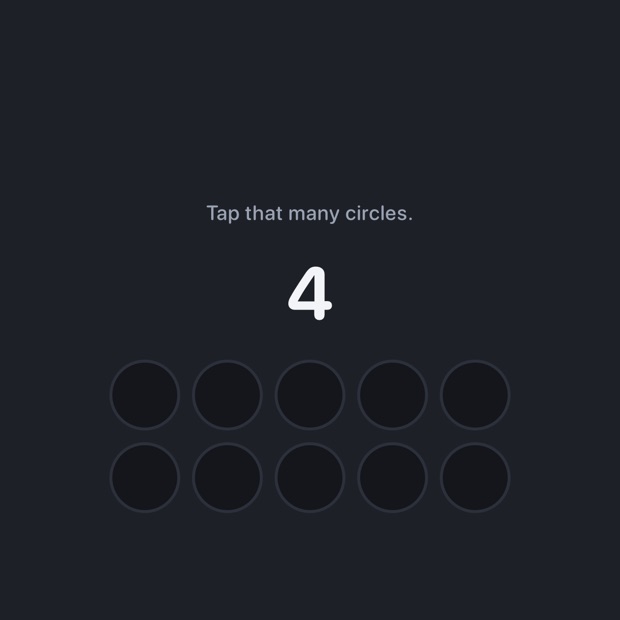
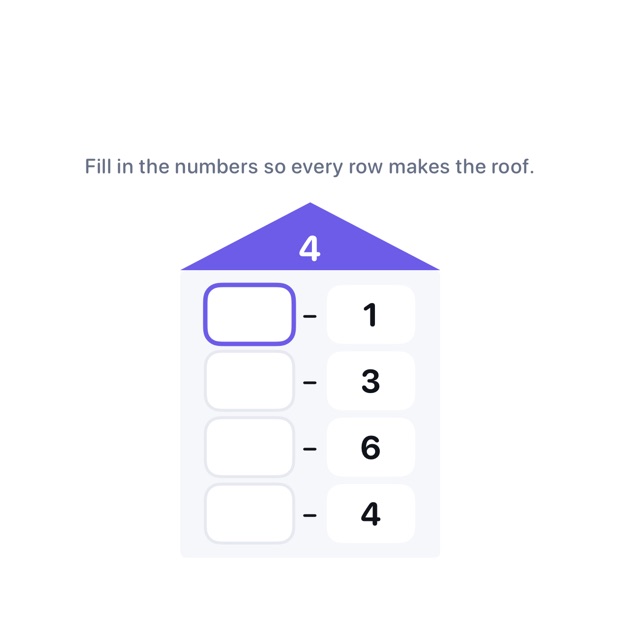
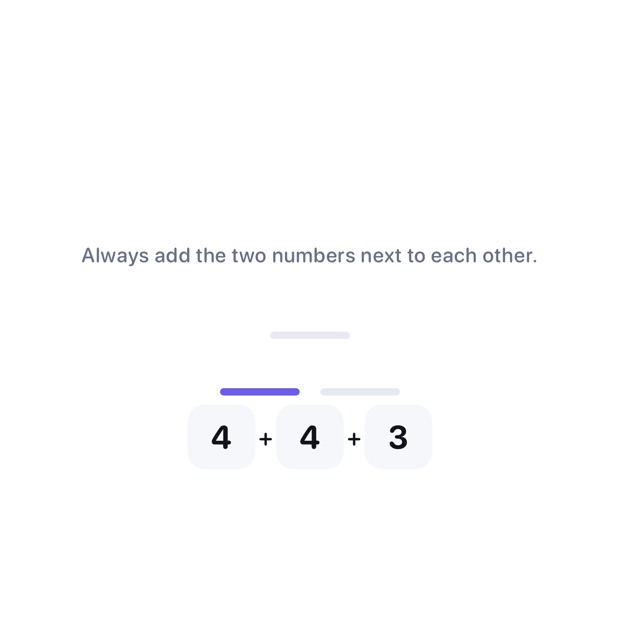
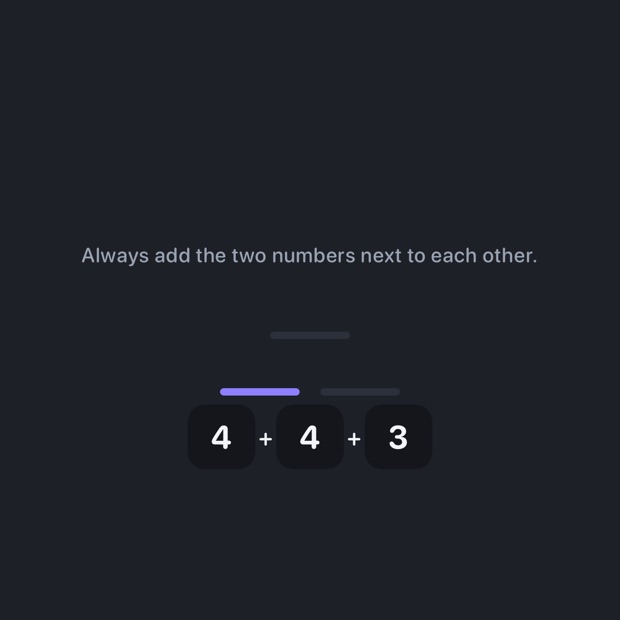
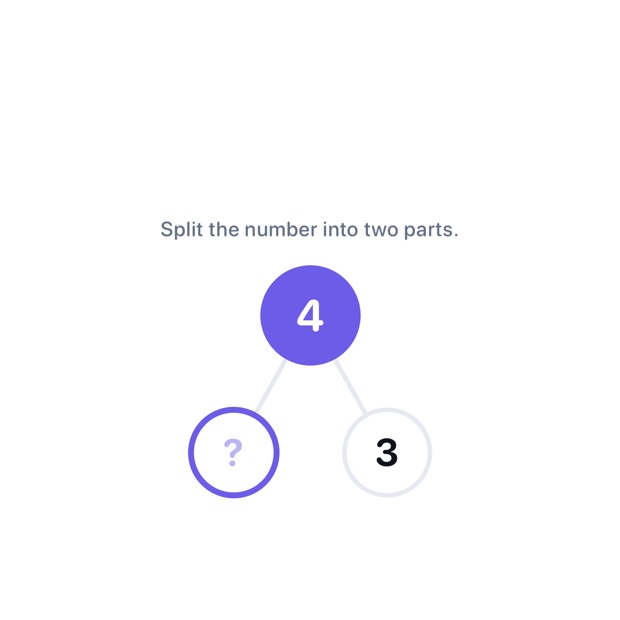
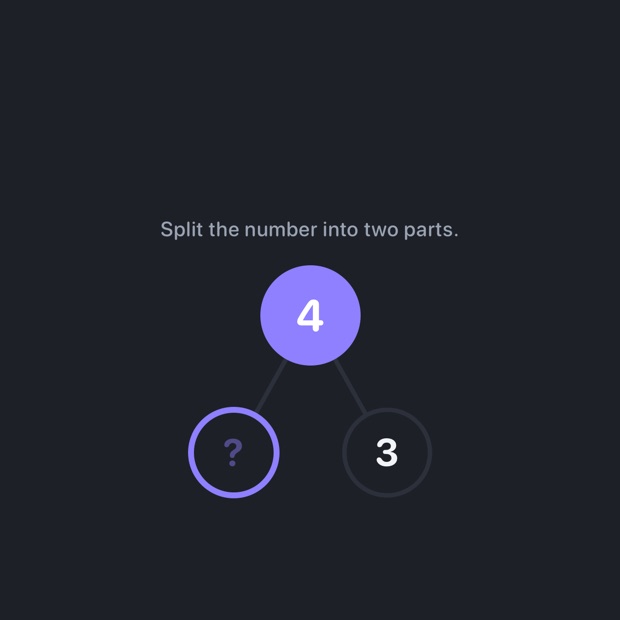
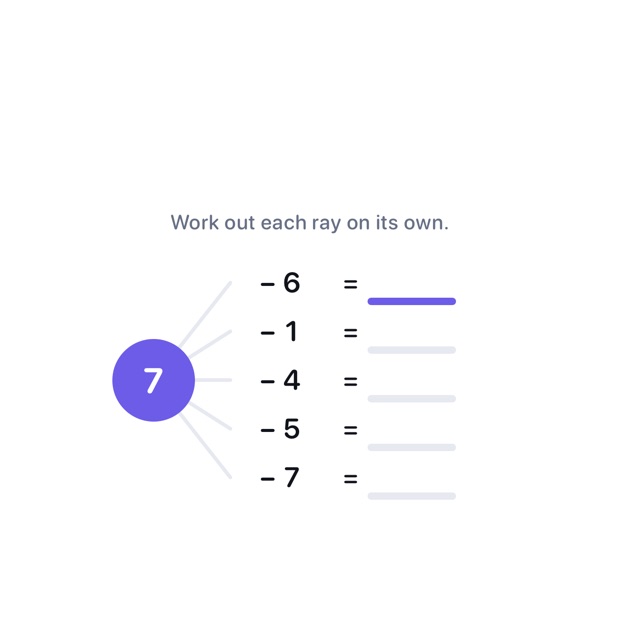
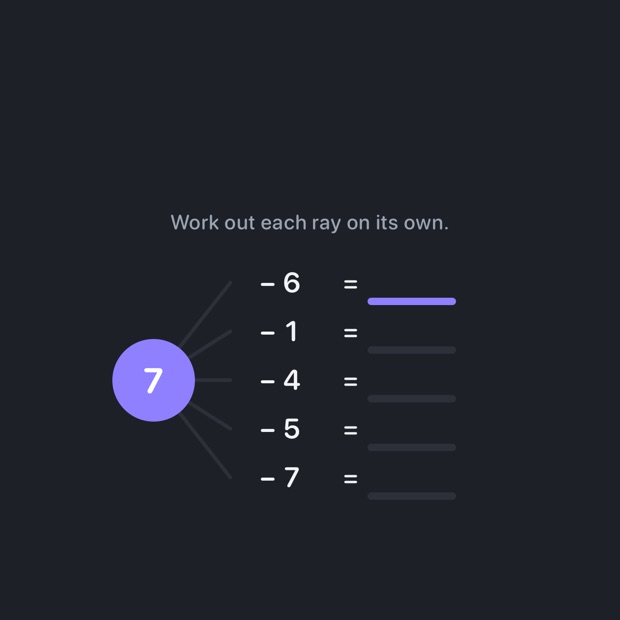
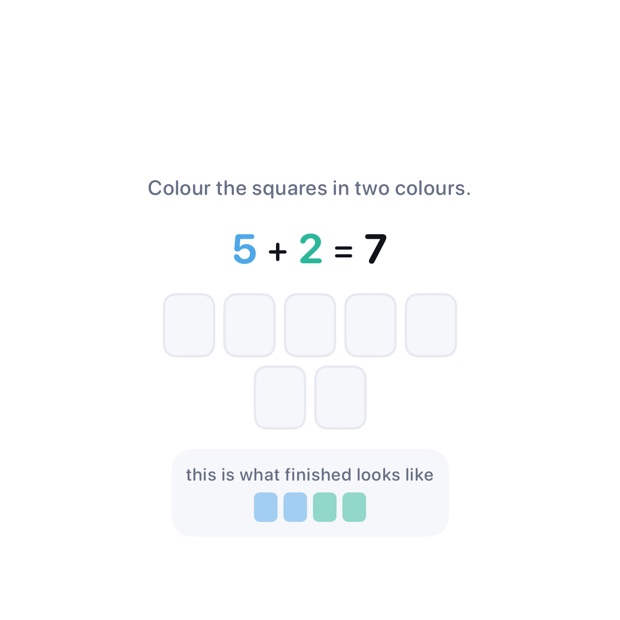
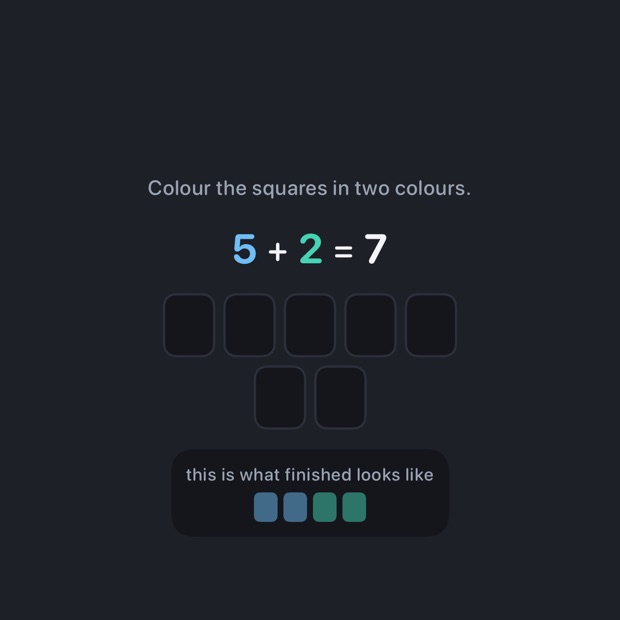
Fourteen kinds of task across thirty-five chapters: the answer, the missing number, chains, step-by-step sums, brackets, division with a remainder, comparing, filling in the sign, rays, number bonds, pyramids, number houses, showing a number and colouring. How you answer depends on the task — a keypad, one of four, a sign, or tapping the picture.
What a session looks like
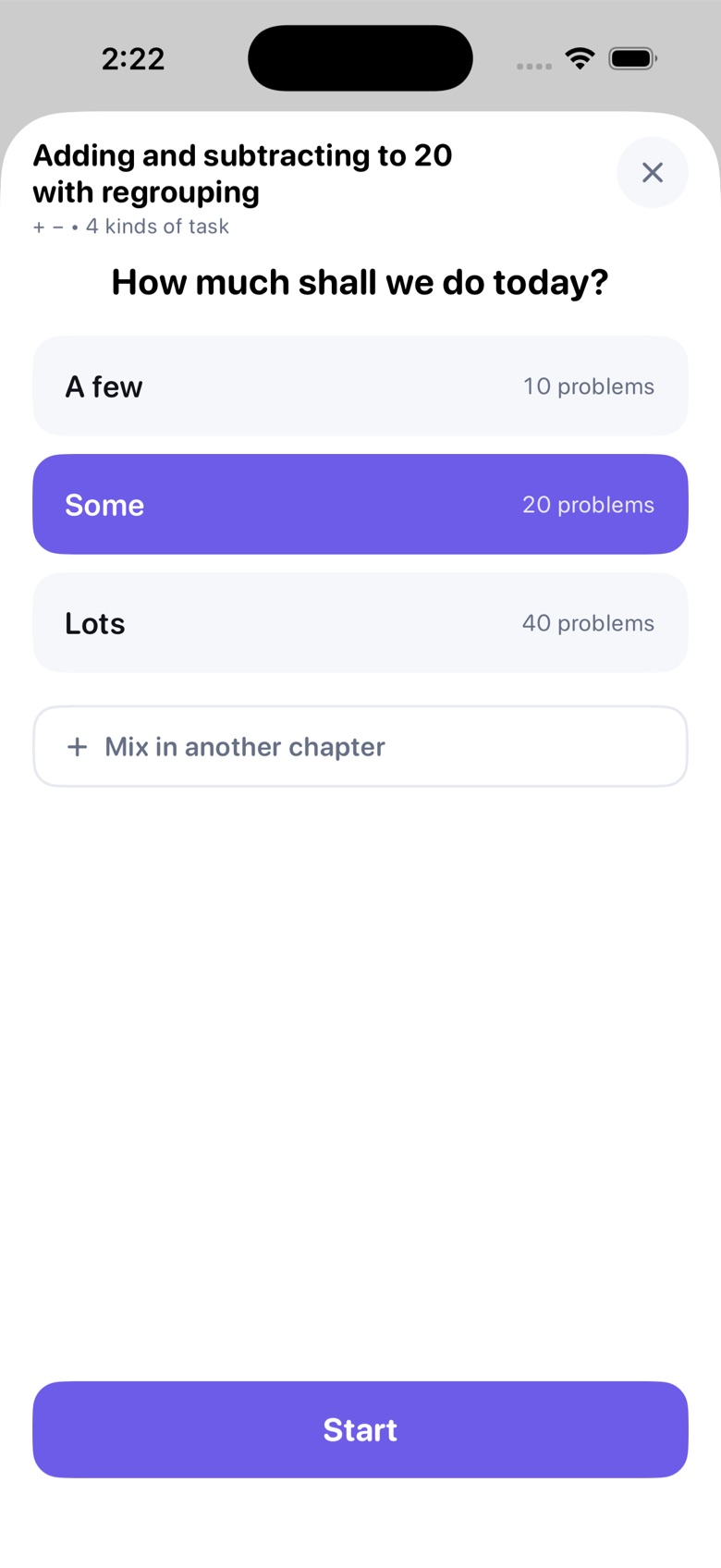
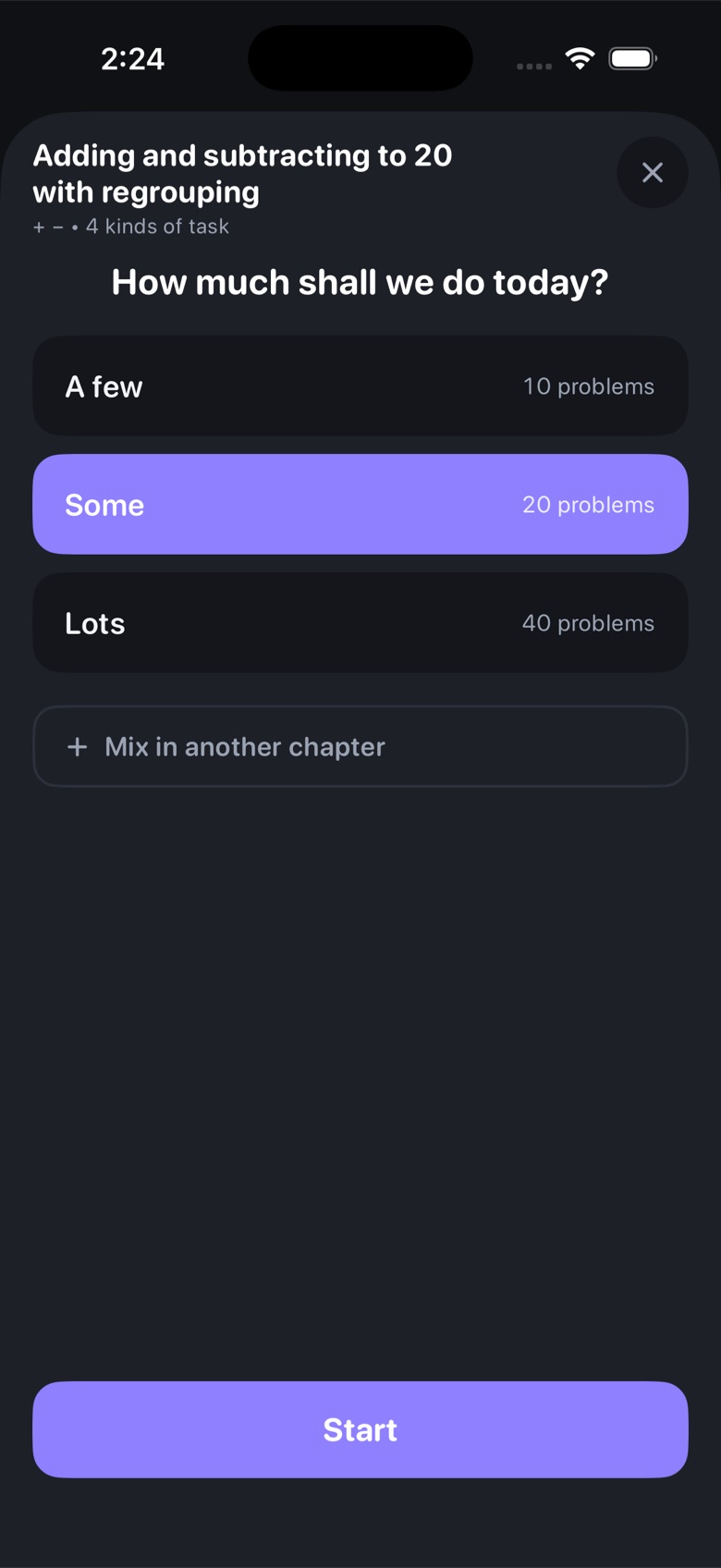
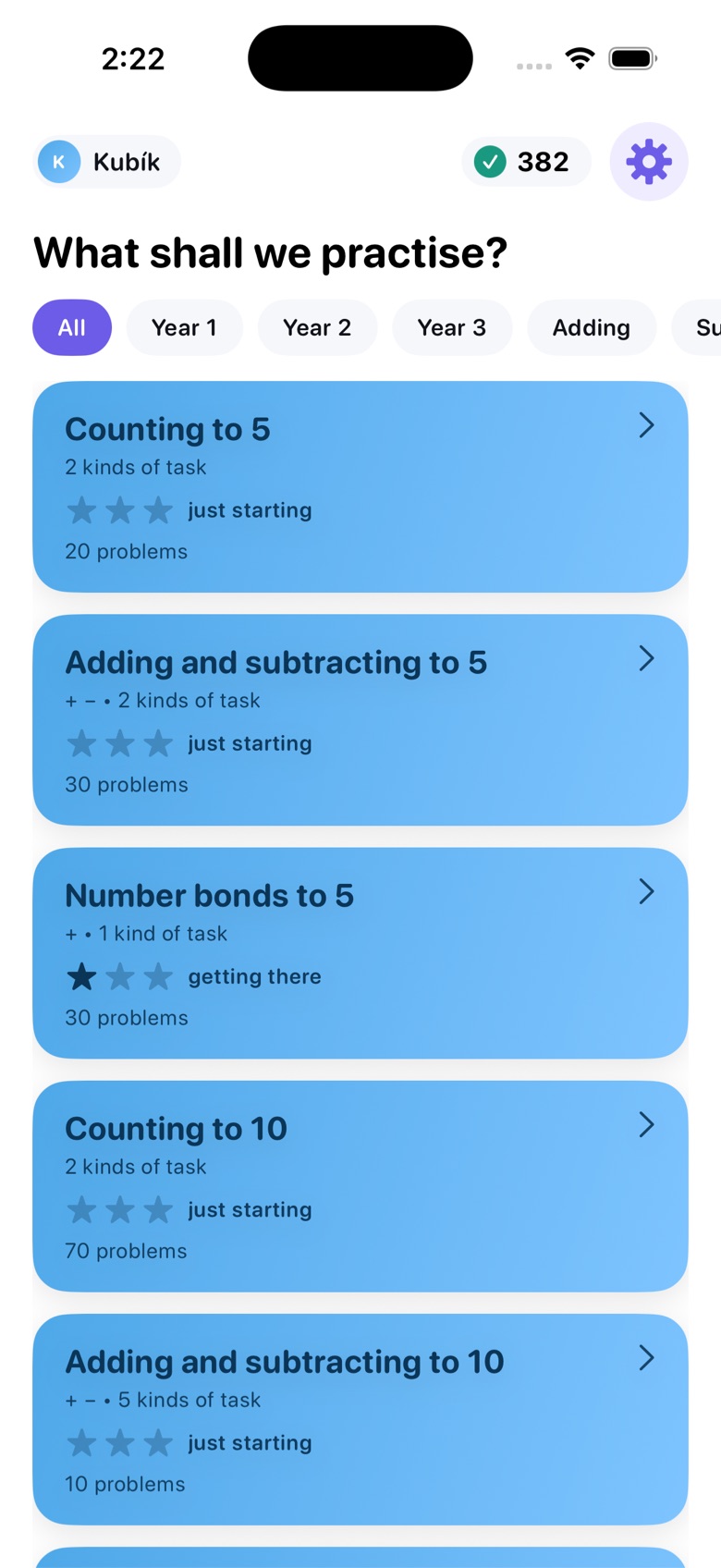
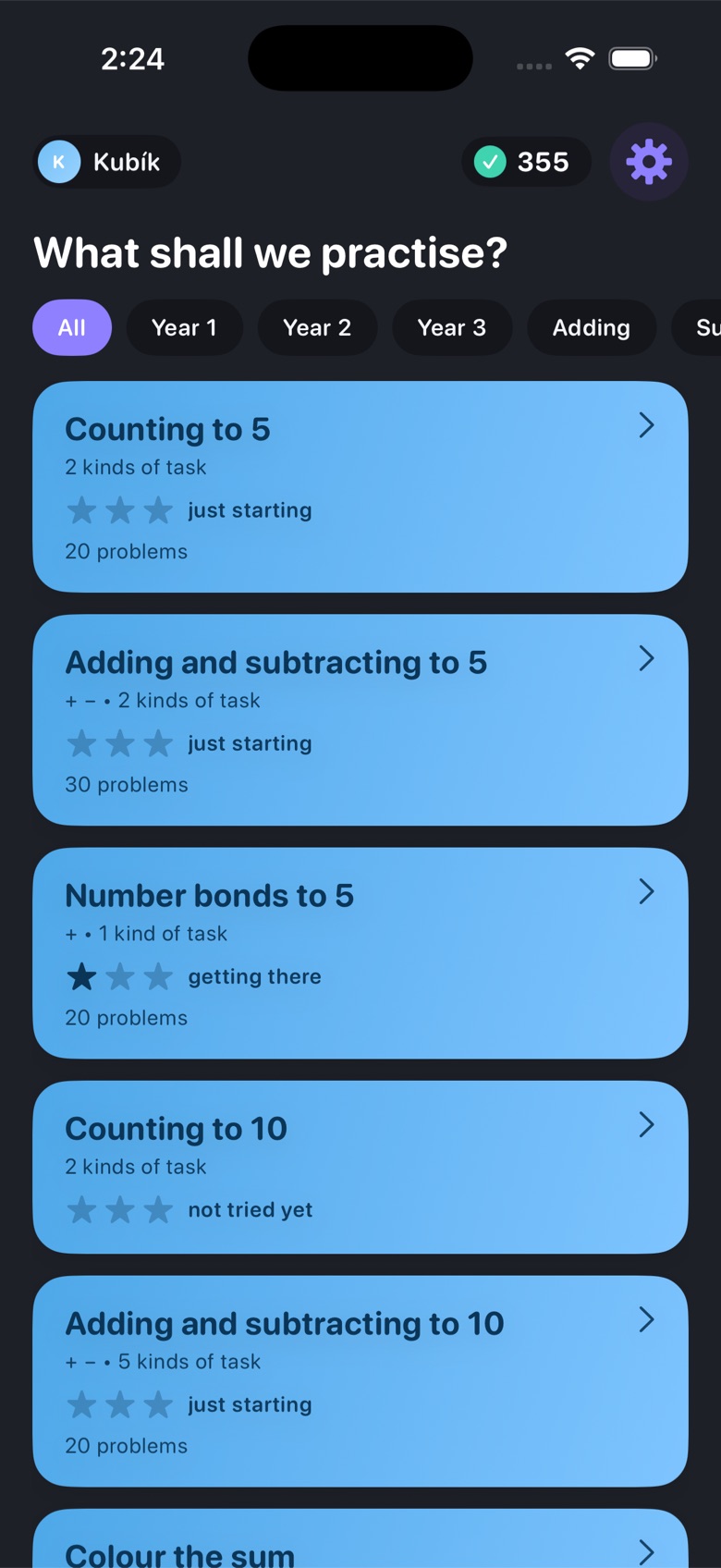
The parent picks the chapter. The app never asks what school year the child is in; the list can be narrowed to a year, but that filters the catalogue — it does not describe the child. Tap a chapter and the app asks how much there will be today: a little, some, a lot — with the number of problems next to each. The word is for the child, the number for the parent; a six-year-old has no idea whether twenty is a lot. Only then does the counting start. The same screen lets you mix in another chapter — adding to five and times tables to three together, say. The problems then alternate one by one, not in blocks: switching between operations is exactly what makes arithmetic harder and more useful.
- One pass is measured; a correction does not count towards the result.
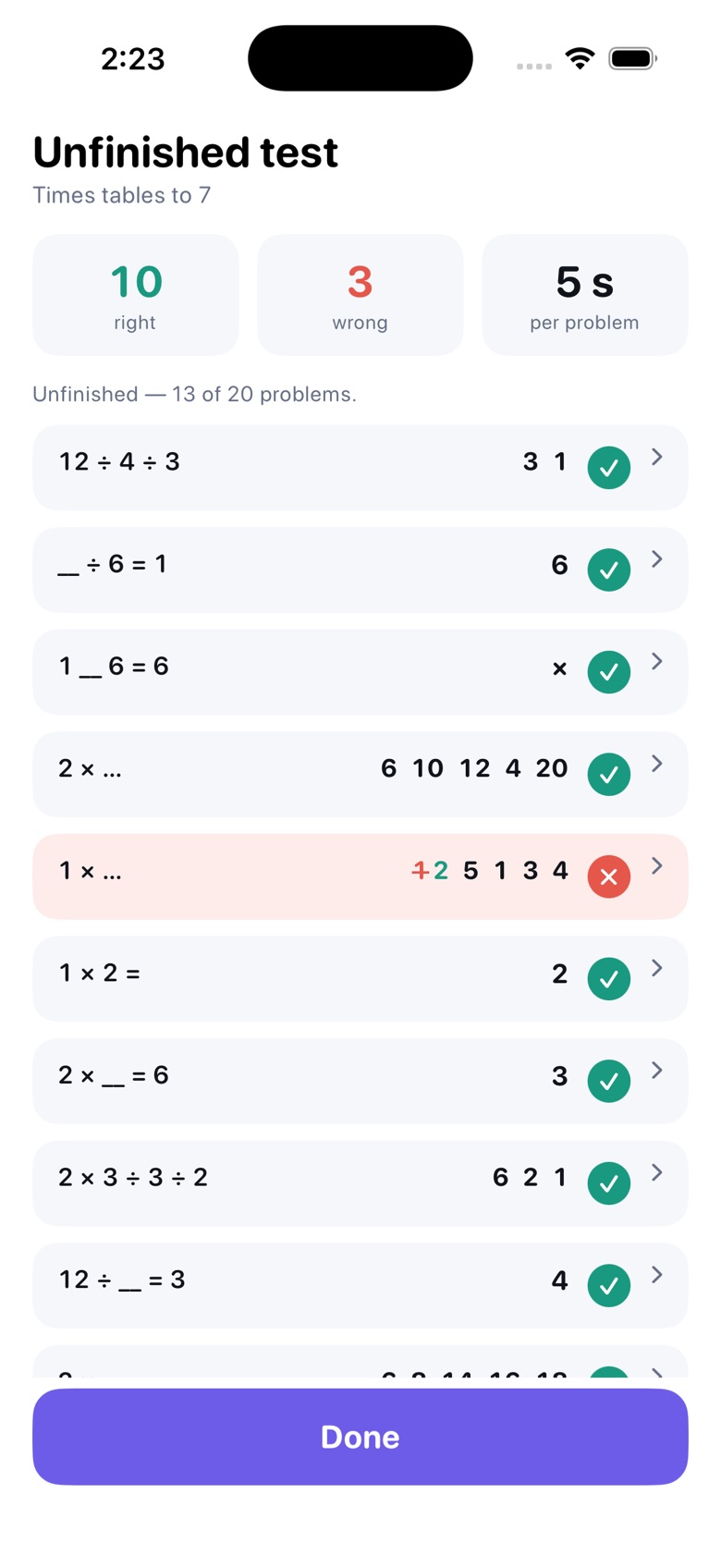
- A session can be stopped — the record stays whole and the list marks it as unfinished.
- Every question has an “I don’t know” button: one tap, no confirmation. It shows the answer, does not count as a mistake, and brings the problem back next time. A lucky guess tells you less than an honest “I don’t know”.
- Nothing is locked. The order of chapters is the parent's call.
More children, one phone
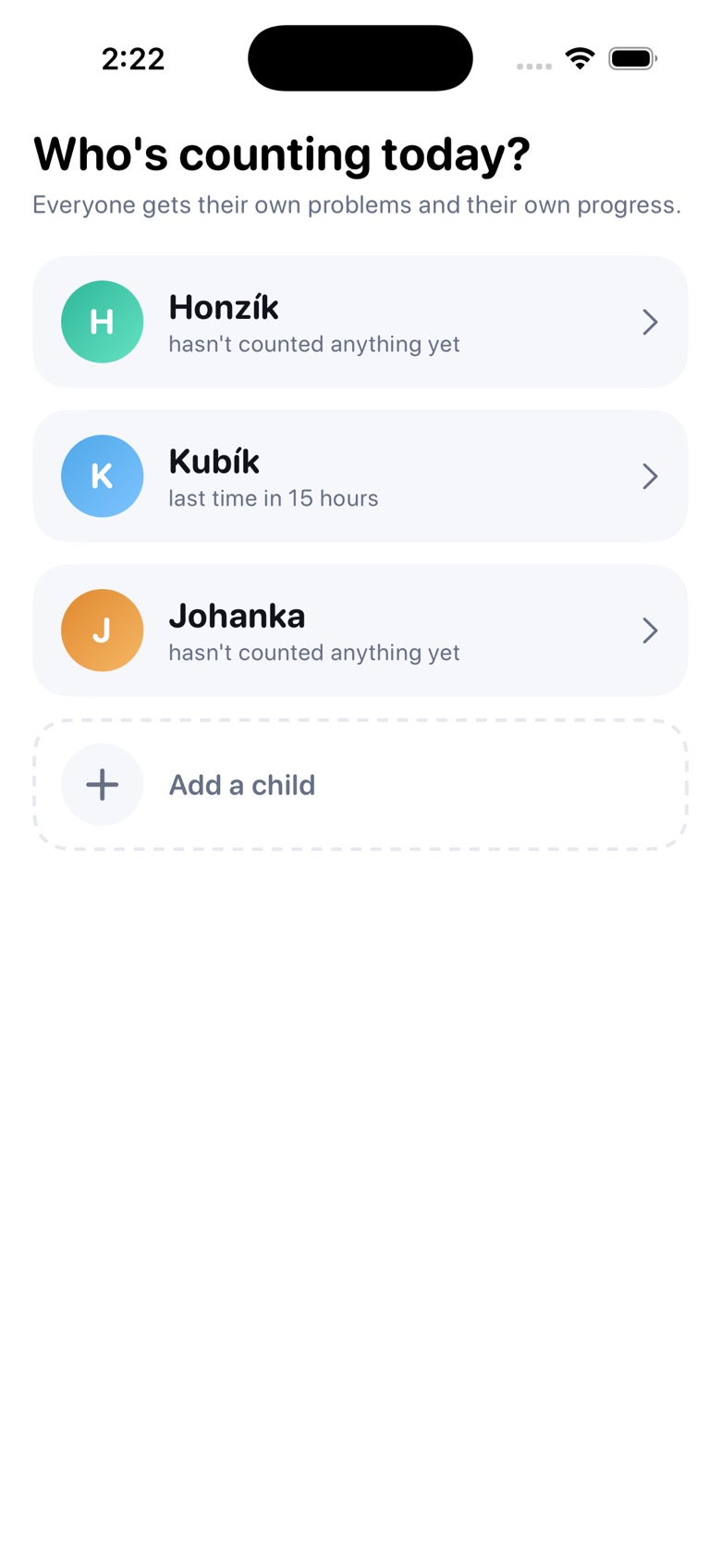
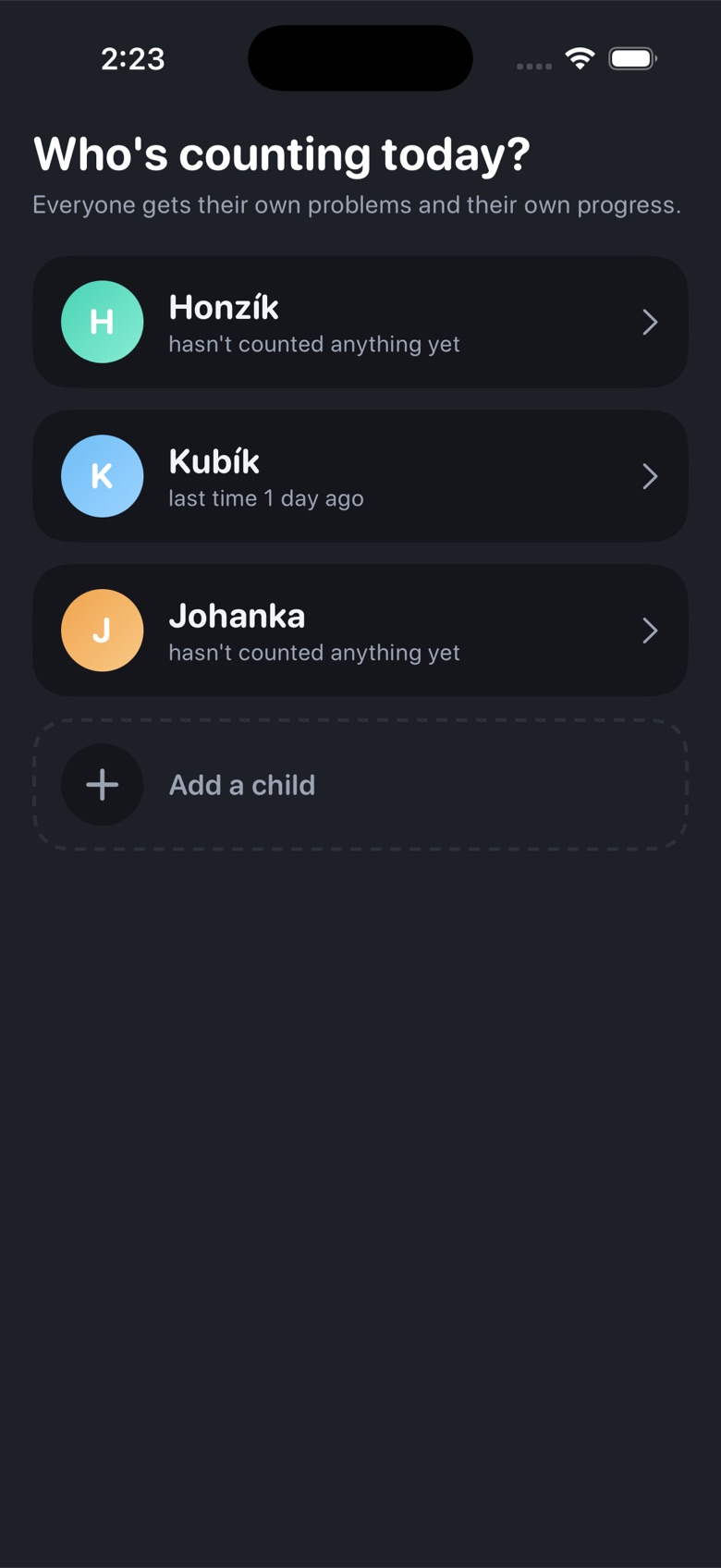
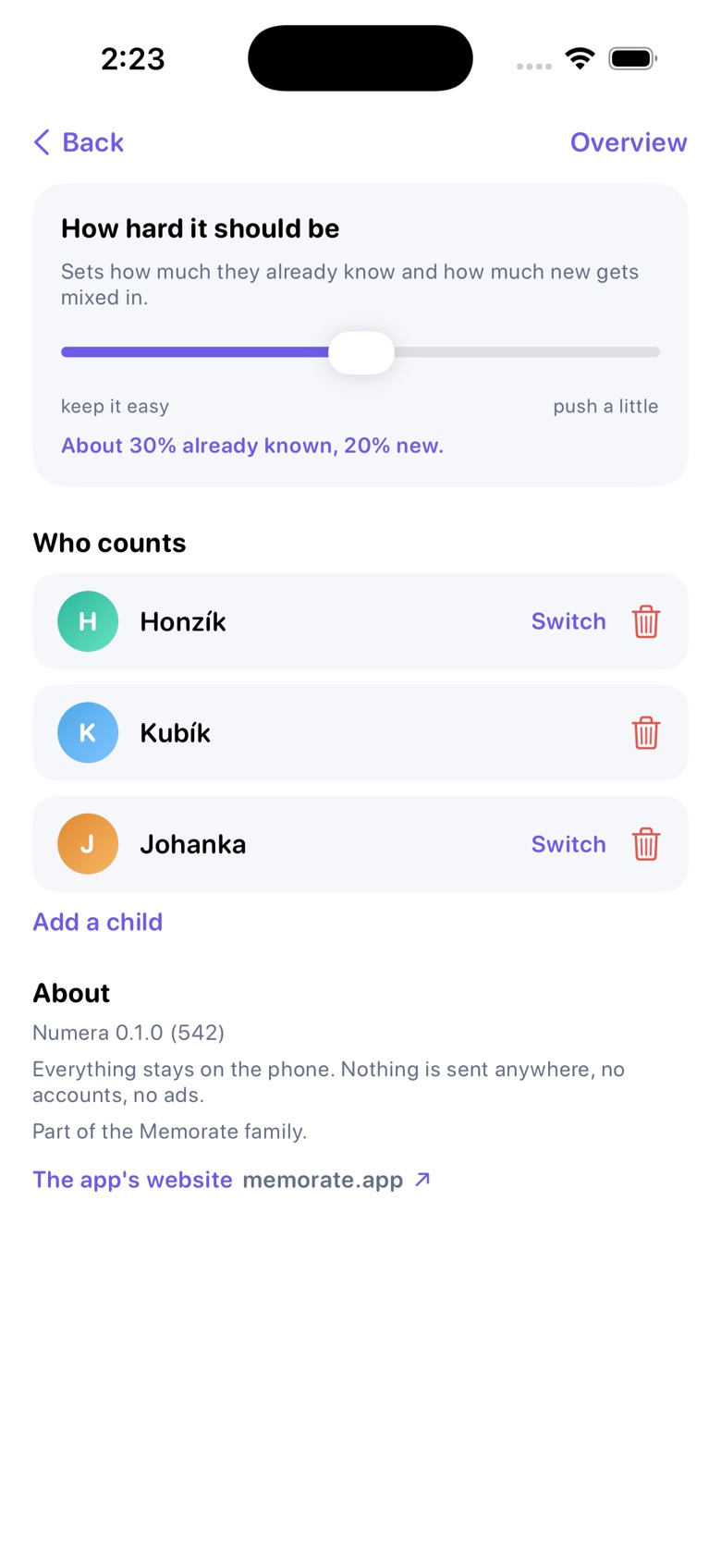
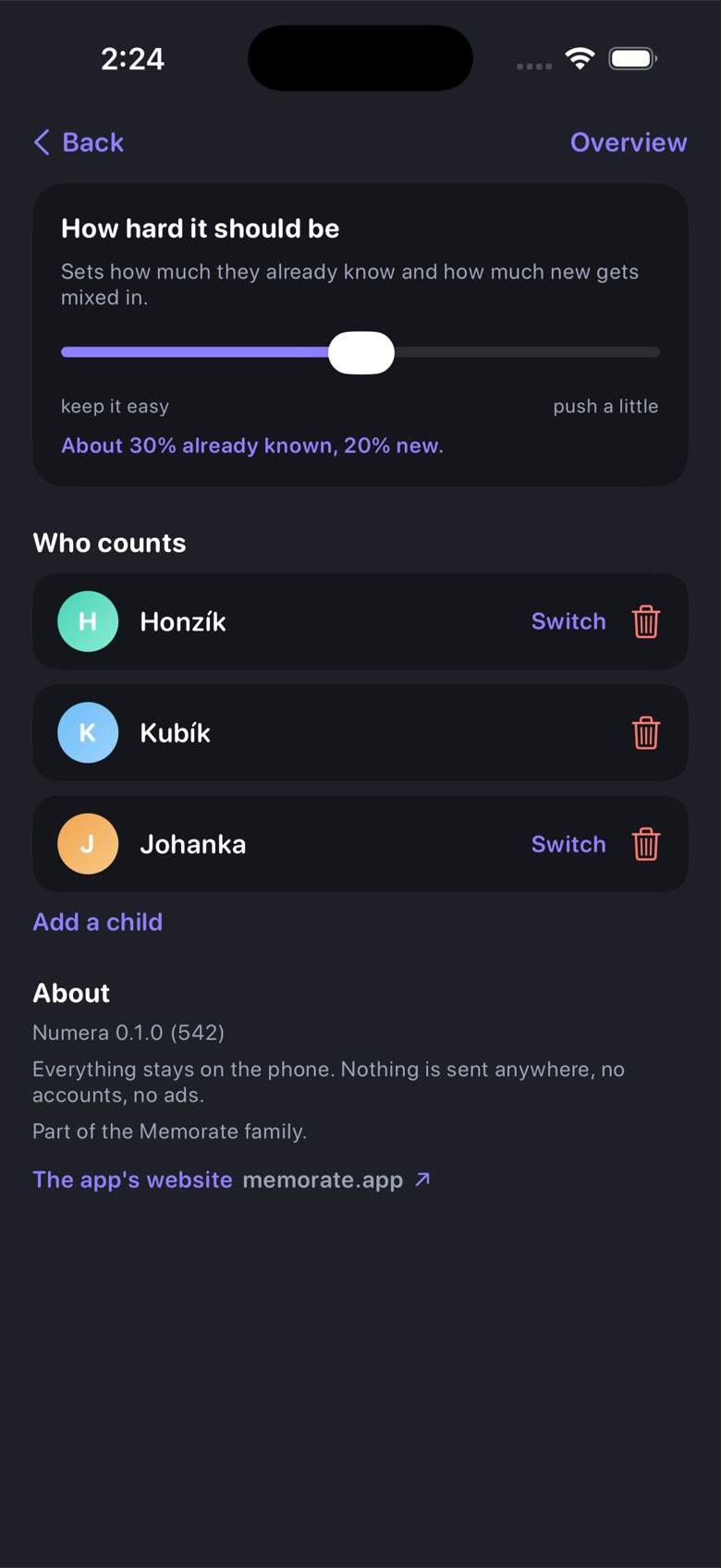
Two children at home and one phone? You can give each of them their own profile. Each then has their own problems, their own overview and their own stars, and nothing gets mixed together — one sibling does not see how the other did. You do not have to. With one child the picker screen never appears; the app simply opens and counts. Profiles turn up the moment you add a second name, and go away again when only one is left. It is a convenience for families that share a phone, not an extra step for everyone else.
What the parent sees
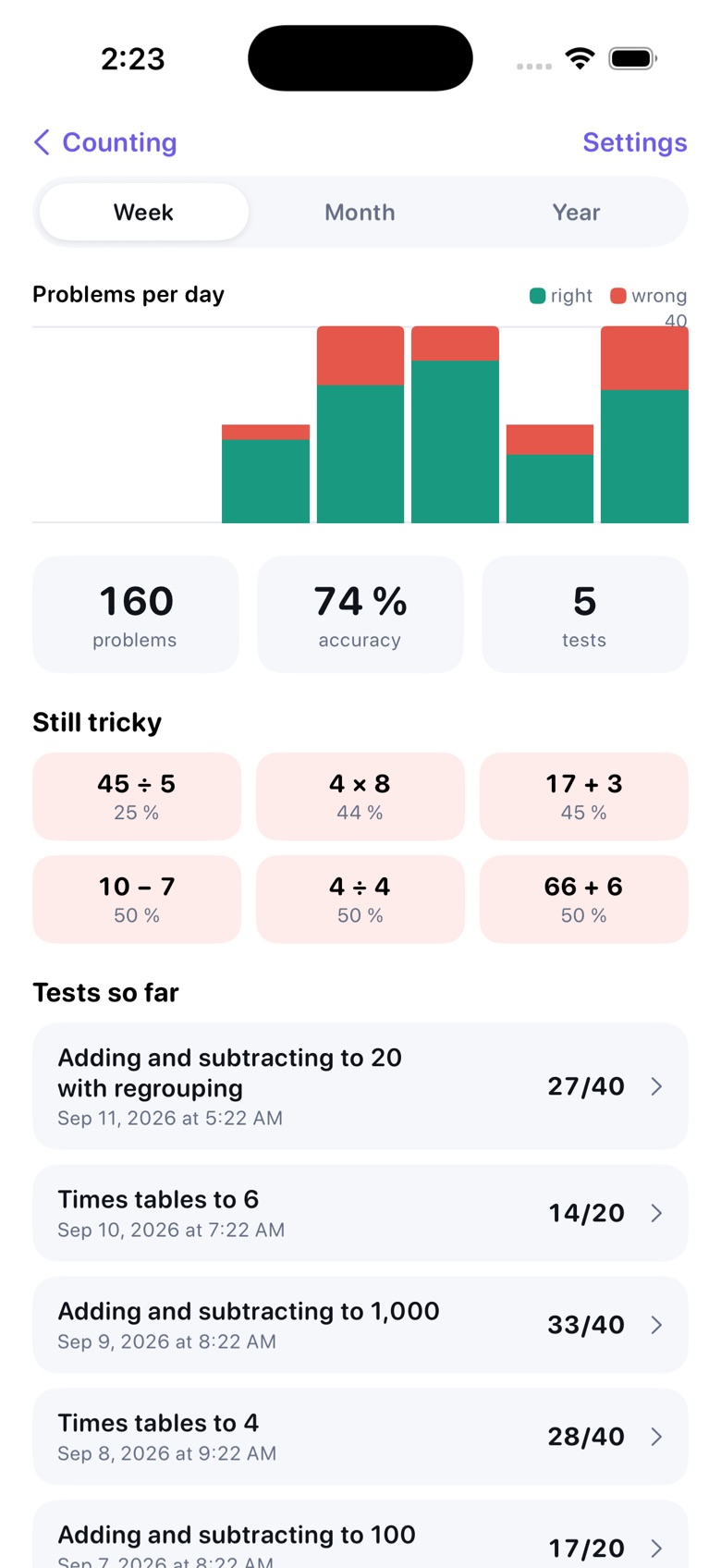
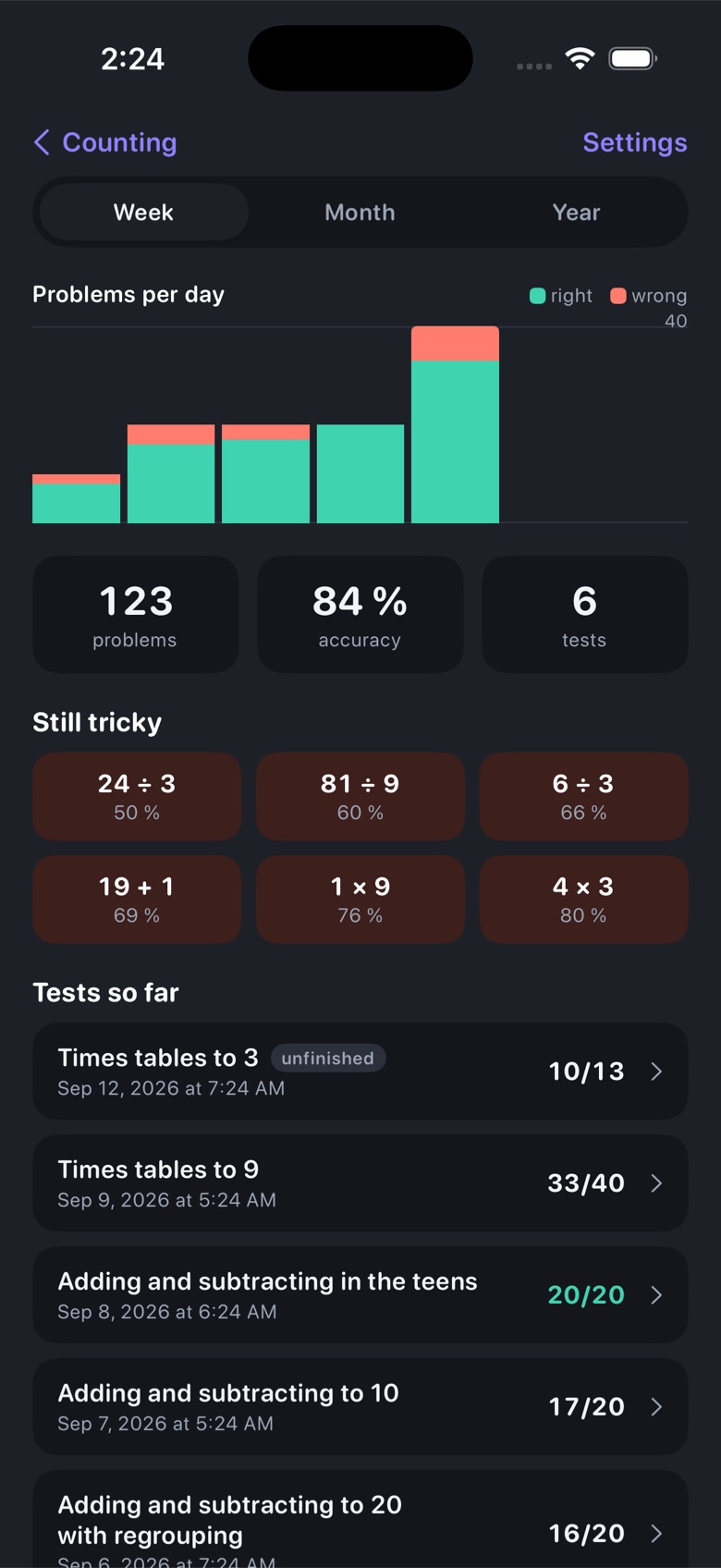
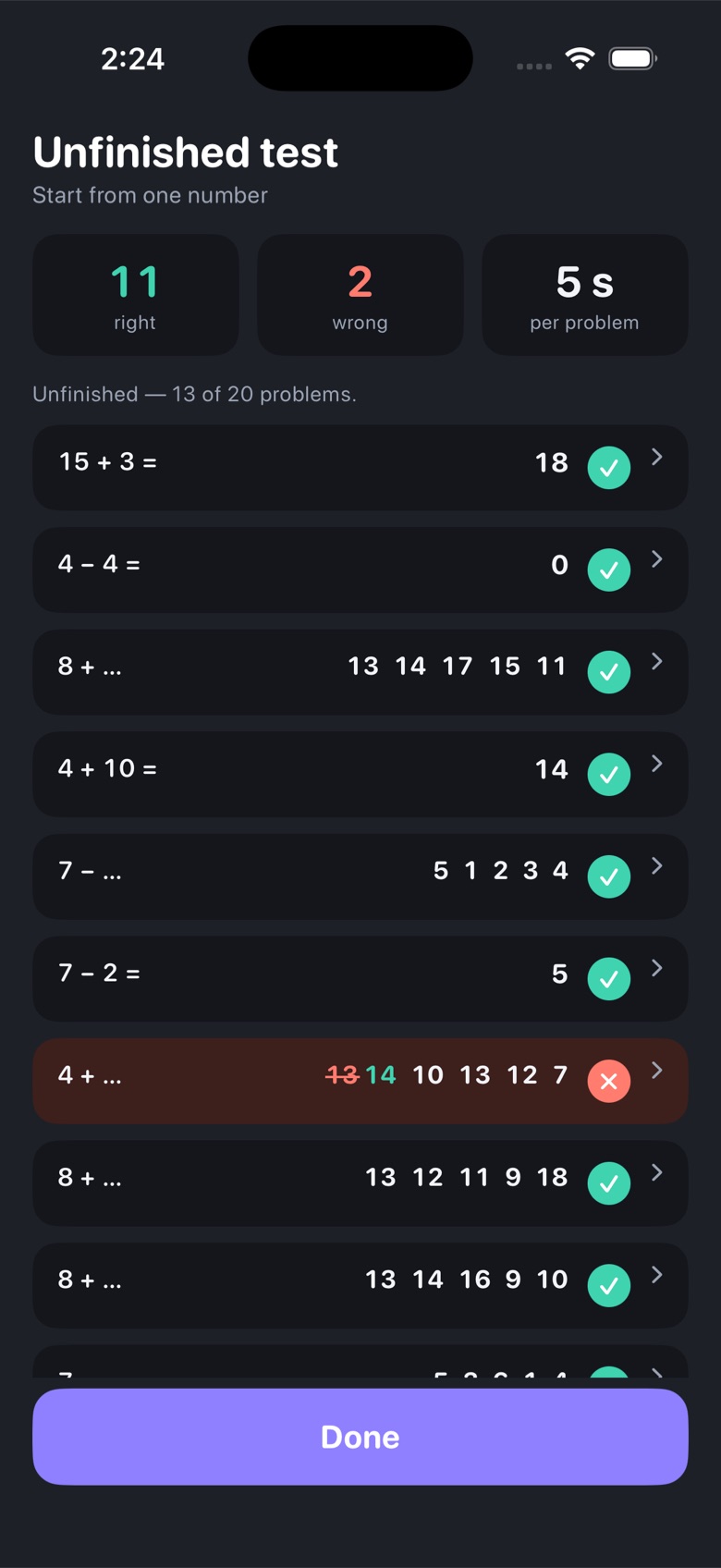
Behind the gear: the list of sessions, every answer on the same screens the child saw, and the statistics. Time to answer is in there too — a child who is working answers in seconds; a child tapping at random, in tenths.
What Numera does not do
It does not schedule repetition. It has no account, no network, no widgets, no watch app and no sync. If you want your own content scheduled for the long run, that is Memorate — a different app, not a paid version of this one.
What it runs on
iOS 15 and later, which reaches a first-generation iPhone SE from 2016. That is a hard requirement, not a coincidence: the phone out of the drawer is usually the one a child ends up holding.
What the child practises
Thirty-five chapters, from counting to five to division with a remainder. It is not one ladder: the chapters are a catalogue you pick from — whatever school is doing right now, or whatever is not working. The school year describes the chapter, not the child. Chapters keep being added; app updates bring them and nothing is bought separately.
- Counting to 51.
- Adding and subtracting to 51.
- Number bonds to 51.
- Counting to 101.
- Adding and subtracting to 101·2.
- Colour the sum1.
- Adding and subtracting in the teens2.
- Number bonds to 101.
- Adding and subtracting to 20, no regrouping2.
- Adding and subtracting to 20 with regrouping2.
- Start from one number1·2.
- Adding and subtracting to 1002·3.
- Times tables to 32.
- Times tables to 42.
- Times tables to 52.
- Times tables to 62·3.
- Times tables to 72·3.
- Times tables to 82·3.
- Times tables to 92·3.
- Times tables2·3.
- Division to 32.
- Division to 42.
- Division to 52.
- Division to 62·3.
- Division to 72·3.
- Division to 82·3.
- Division to 92·3.
- Division in the times tables2·3.
- Adding and subtracting two-digit numbers3.
- Adding and subtracting to 1,0003.
- Multiplying a two-digit number3.
- Division with a remainder3.
- Working with brackets3.
What it tells you
Not a score — the answers. The overview shows which facts keep failing, how long the child spent on a problem and exactly what they wrote, for every problem, weeks back. That is what tells apart “seven plus eight is still slow” from “stopped paying attention” — and it is exactly what a homework sheet cannot tell you.
For anything else, there is Memorate
The universal learning app: cards on any topic, your own or downloaded, scheduled reviews and memory that holds for months. It is used by older pupils, secondary and university students, people studying for board exams or certifications, and anyone who simply wants to remember vocabulary, terms or the abbreviations of their field. It is not tied to a subject — you decide what goes in.
How they differ from Memorate
This is not a cut-down Memorate. Memorate schedules reviews of content you create yourself and works out when to come back to each card. The small apps schedule nothing and carry their own content: they are practice books for one skill, which you open and use.